
 AI Tips & Tricks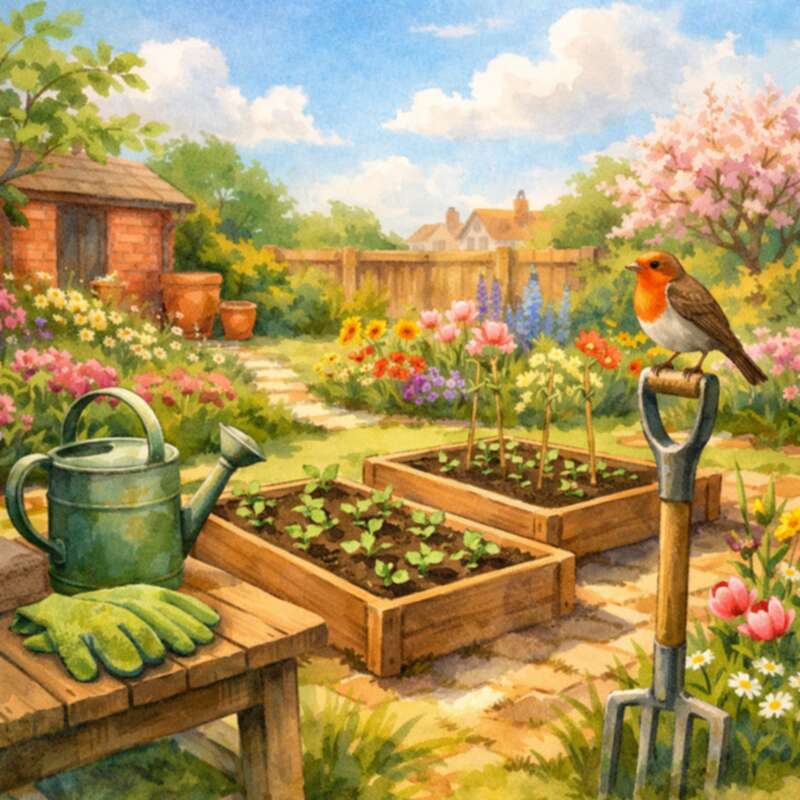
Spring is here, the days are getting longer, and there's something in the air that makes even the most reluctant gardener think about getting outside. Maybe you've been staring at a sad-looking patch of lawn and wondering what to do with it. Maybe you've got a windowsill crying out for a few herbs. Or maybe you just fancy giving it a go but have absolutely no idea where to start.
Here's the good news: AI can help. And no, you don't need to be a tech whizz or a gardening expert. You just need to type a question — the same way you'd ask a knowledgeable friend.
Let's look at how you can use a free AI chatbot (like ChatGPT, Claude, or Gemini) to get your garden sorted this spring.
Start With What You've Got
The first step isn't buying seeds or compost — it's working out what you're dealing with. And AI is brilliant at helping with this.
Try typing something like:
I have a small north-facing back garden in Manchester. The soil is mostly clay. What can I realistically grow this spring?
The AI will give you suggestions based on your actual conditions — not some glossy magazine ideal. It'll factor in sunlight, soil type, and your local climate. You can even tell it how much time you want to spend gardening each week, and it'll adjust its advice accordingly.
If you're not sure what type of soil you have, just describe it. "It's sticky when wet and cracks when dry" is enough for AI to work with. You don't need a soil testing kit.
 Get a Personalised Planting Plan
Once AI knows your setup, you can ask it to create a planting plan tailored to you. This is where it really shines.
You might say:
Can you give me a month-by-month planting guide for a beginner in the UK, from March to September? I want easy flowers and a few vegetables.
It'll come back with a clear timeline — what to sow indoors in March, what to plant out in May, when to expect your first harvest. It's like having a gardening calendar written just for you.
And if you've got specific goals (maybe you want to grow tomatoes, or you'd love a wildflower patch for the bees), just say so. The AI will shape its suggestions around what matters to you.
Solve Problems as They Come Up
One of the best things about using AI for gardening is that it's always available when you need it. No waiting for the garden centre to open. No flicking through a 400-page book trying to find the right chapter.
If your tomato leaves start going yellow, just describe what you see:
My tomato plant's lower leaves are turning yellow and the edges are curling. It's in a pot on my patio. What's going on?
AI can suggest likely causes — overwatering, nutrient deficiency, or too much direct sun — and tell you what to do about it. It's like having a gardening helpline in your pocket.
You can also use it for pest control questions, watering schedules, or figuring out why your seedlings aren't sprouting. Just describe the problem in plain English and let the AI do the thinking.
Plan a Garden on a Budget
Gardening doesn't have to be expensive, and AI can help you keep costs down. Try asking:
What are the cheapest ways to start a vegetable garden from scratch in the UK?
It might suggest saving seeds from shop-bought peppers, growing from cuttings, using recycled containers as pots, or finding free compost through your local council. AI is great at creative problem-solving when you give it a budget to work with.
You can even ask it to compare the cost of growing your own herbs versus buying them from the supermarket. Spoiler: growing your own basil, mint, and parsley is almost always cheaper — and far more satisfying.

Make It Fun for the Whole Family
If you've got children, AI can help you turn gardening into a proper family activity. Ask it something like:
What are three easy gardening projects I can do with a five-year-old this weekend?
You might get suggestions like planting sunflower seeds in yoghurt pots, building a mini bug hotel from sticks and pinecones, or growing cress on damp cotton wool. These are the kind of simple, hands-on activities that kids love — and you don't need any special equipment.
AI can even help you explain things to children in age-appropriate ways, like why worms are good for the soil or how bees help flowers grow.

Design Your Dream Garden (Even on Paper)
Even if you're not ready to pick up a spade, AI can help you dream and plan. You can describe your space and ask for layout ideas:
I have a 4m x 6m back garden. I want a small seating area, some raised beds for veg, and a border of low-maintenance flowers. Can you suggest a layout?
The AI will give you a written plan you can sketch out on paper. It's not a substitute for a professional garden designer, but for most of us, it's more than enough to get started with confidence.
A Few Tips for Better Results
To get the most out of AI for your garden, keep these tips in mind. Be specific — mention your location, garden size, soil type, and how much sun your space gets. Tell the AI about your experience level so it doesn't assume you know your annuals from your perennials. And don't be afraid to ask follow-up questions — AI works best as a conversation, not a one-off search.
Also, remember that AI is a brilliant starting point, but it's not infallible. If it suggests a plant you've never heard of, do a quick check before buying. And always double-check any advice about chemicals or pesticides — it's worth being cautious.

Ready to Give It a Try?
You don't need a degree in horticulture or a subscription to a gardening magazine. You just need a phone, a free AI chatbot, and a willingness to get your hands a little dirty.
This spring, let AI be your gardening companion. Ask it the silly questions. Ask it the obvious ones. Ask it what on earth to do with that weird bare patch by the shed. You might be surprised at how helpful — and how fun — it can be.
Happy gardening!
Suggested Prompt to start you off.......
I have a [size] garden in [location]. It faces [direction] and the soil is [soil type]. I'm a complete beginner and I have about [time] per week to spend on gardening. Can you give me a simple month-by-month planting plan for spring and summer? I'd like to grow [flowers/vegetables/herbs/a mix]. Please keep the suggestions low-maintenance and budget-friendly.
Or see the prompt in the Prompt Toolbox - "Plan your garden this spring"



Comments
Leave a comment